
Get Hydrangea Pruning in Milford, CT
Hydrangea pruning services for Milford, CT and nearby areas help improve plant health, enhance blooms, control size, and remove dead or overgrown branches.
Hydrangea pruning services are essential for maintaining healthy, attractive landscape features in Milford, CT. Proper pruning encourages vigorous growth, helps control the size and shape of the plants, and prevents overgrowth that can obstruct walkways or views. Regular trimming also reduces the likelihood of disease and pest issues, ensuring the plants remain durable and resilient over time. Property owners often seek these services to enhance safety by preventing branches from becoming hazards and to improve the overall functionality of their outdoor spaces.
In addition to safety and health, pruning enhances curb appeal by promoting lush, well-shaped hydrangeas that add visual interest and beauty to a property. Reduced maintenance is another benefit, as properly pruned plants require less ongoing care and are easier to manage. Well-maintained hydrangeas contribute to a polished, inviting appearance that can increase the property's value and enjoyment. Engaging experienced local professionals can help achieve these benefits effectively and reliably.
- Hydrangea pruning services are needed when plants become overgrown or lose their shape, typically during late winter or early spring.
- Hydrangea pruning is recommended for maintaining plant health and encouraging vibrant blooms, especially after flowering seasons.
- Hydrangea pruning is advised when removing dead or damaged branches to promote vigorous growth in the upcoming growing season.
- Hydrangea pruning services are sought after when preparing gardens for seasonal changes or to improve aesthetic appeal in residential landscapes.
- Hydrangea pruning may be necessary for controlling size and shape in landscaped areas around homes and commercial properties.
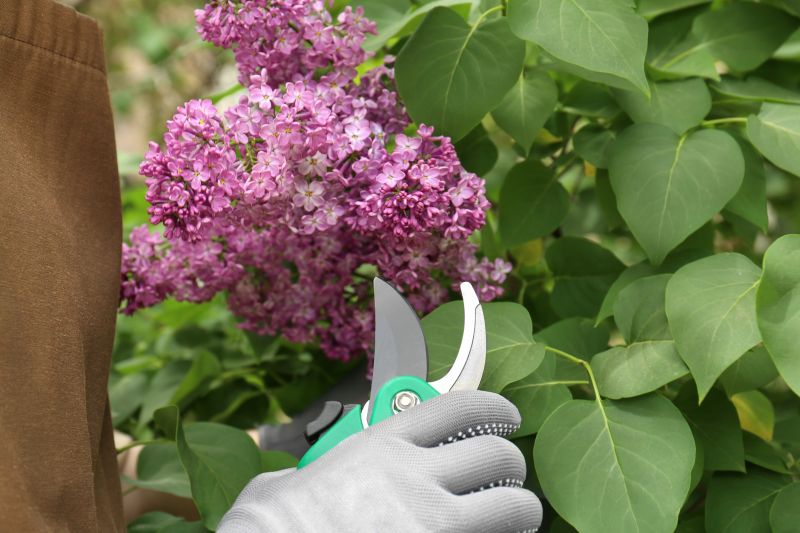
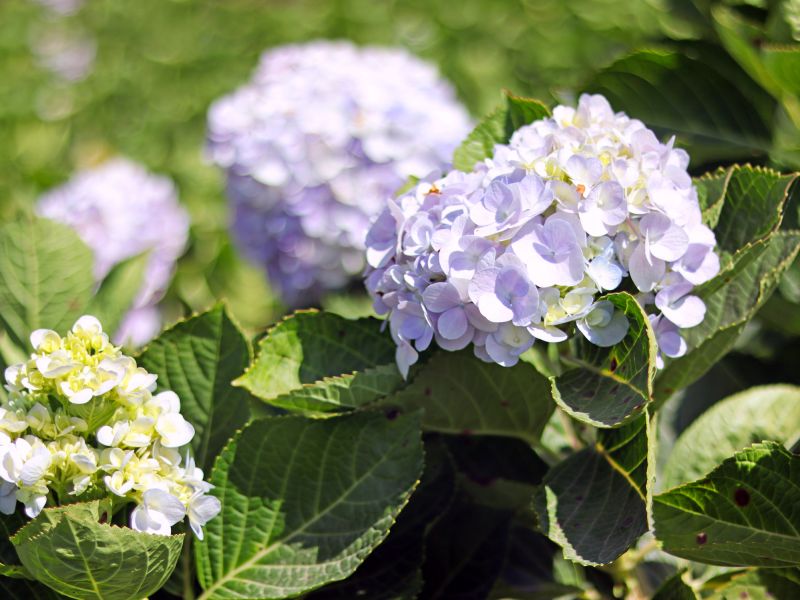
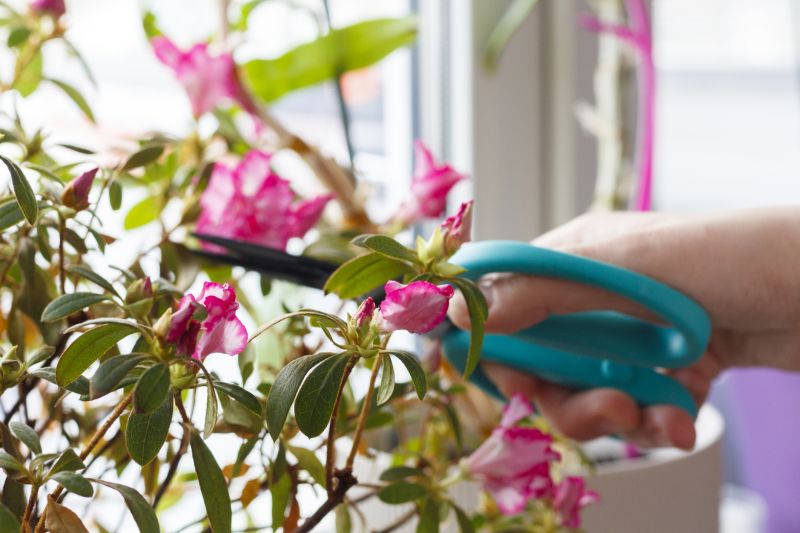
Hydrangea pruning services involve the careful trimming and shaping of hydrangea bushes to promote healthy growth and enhance their appearance. These services typically include removing dead or damaged stems, thinning out overgrown branches, and selectively cutting back old wood to encourage new flowering growth. Proper pruning techniques can help maintain the plant’s size, prevent overcrowding, and improve air circulation within the shrub, which can reduce the risk of disease. Trained professionals use specialized tools and knowledge to ensure that pruning is done at the appropriate times and in ways that support the plant’s long-term health.
Addressing common problems such as leggy growth, sparse flowering, and disease susceptibility is a primary benefit of hydrangea pruning. Over time, hydrangeas can become unruly or produce fewer blooms if not maintained properly. Pruning helps remove old wood that may no longer produce flowers and encourages the development of healthy, vigorous stems. Additionally, trimming away diseased or damaged branches can prevent the spread of pests and infections, ultimately leading to more vibrant and resilient plants. Regular pruning can also improve the overall aesthetic of the landscape by maintaining a balanced and attractive shrub shape.
Many types of properties utilize hydrangea pruning services, including residential gardens, commercial landscapes, and public parks. Homeowners often seek these services to keep their gardens looking tidy and to maximize the flowering potential of their hydrangeas. Commercial property managers and landscape maintenance providers may also hire professionals to ensure that their plantings remain well-maintained and visually appealing. Public parks and community spaces benefit from professional pruning to preserve the health and beauty of their plantings, creating inviting environments for visitors and residents alike.
Professional hydrangea pruning services are suitable for various property sizes and styles, from small residential yards to large estate landscapes. They are especially valuable in gardens where hydrangeas serve as focal points or foundational plantings, as proper pruning can significantly enhance their visual impact. Property owners looking to maintain lush, healthy hydrangeas that flourish year after year often turn to local service providers who specialize in shrub and flower bed care. Contacting these professionals can help ensure that hydrangeas are pruned correctly and in a manner that supports their growth and flowering cycles.
The overview below groups typical Hydrangea Pruning projects into broad ranges so you can see how smaller, mid-sized, and larger jobs often compare in Milford, CT.
In many markets, a large share of routine jobs stays in the lower and middle ranges, while only a smaller percentage of projects moves into the highest bands when the work is more complex or site conditions are harder than average.
Basic Pruning - The typical cost for basic hydrangea pruning ranges from $50 to $150. This service usually includes trimming to maintain shape and remove dead or damaged branches.
Seasonal Maintenance - Seasonal pruning services can cost between $75 and $200. These services involve more extensive trimming to promote healthy growth and flowering each year.
Hard Pruning - Hard pruning, which involves significant cutting back of the plant, often costs $100 to $250. This service is recommended for overgrown or neglected hydrangeas requiring substantial renewal.
Landscape Integration - Incorporating hydrangea pruning into landscape design typically ranges from $150 to $400. This includes shaping and pruning to fit specific garden aesthetics or landscape plans.
Actual totals will depend on details like access to the work area, the scope of the project, and the materials selected, so use these as general starting points rather than exact figures.
Hydrangea Pruning services help maintain the plant’s shape and promote healthy growth by removing dead or overgrown stems. Local professionals can assist with proper pruning techniques suited to specific hydrangea varieties.
Seasonal Hydrangea Pruning ensures plants are pruned at the optimal times of year to encourage abundant blooms and prevent disease. Experts in the area can provide guidance on timing and methods for different hydrangea types.
Hydrangea Shrub Trimming involves shaping and reducing the size of hydrangea bushes to enhance curb appeal and prevent overgrowth. Service providers can help achieve desired forms while preserving plant health.
Deadheading and Removal services focus on removing spent blooms and damaged stems to promote new growth and improve flowering. Local pros can efficiently carry out these maintenance tasks.
Pruning for Hydrangea Health includes techniques to remove diseased or weak branches, supporting overall plant vitality. Skilled contractors can identify and address specific pruning needs.
Hydrangea Care Consulting offers expert advice on pruning schedules and techniques tailored to local climate and soil conditions. Contact local specialists for personalized hydrangea maintenance plans.
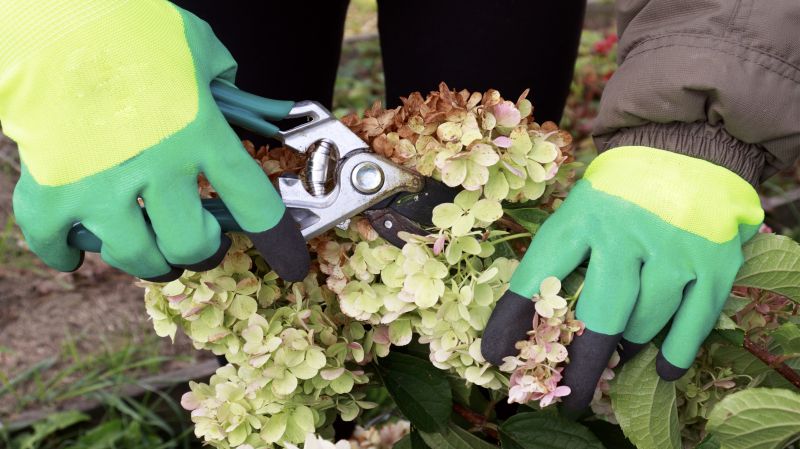
When selecting a professional for hydrangea pruning, it is important to consider their level of experience with similar landscape plants. Homeowners should inquire about the number of years a local service provider has been working with hydrangeas and their familiarity with different pruning techniques suited to various varieties. A seasoned pro can offer written expectations that clearly outline the scope of work, including pruning methods, timing, and maintenance recommendations, helping to ensure a mutual understanding of the project.
Reputable references and reviews can serve as valuable indicators of a contractor’s reliability and quality of work. Homeowners are encouraged to seek out local pros with positive feedback from previous clients in the area, particularly those who have received hydrangea pruning services. These references can provide insights into the contractor’s professionalism, attention to detail, and ability to meet specific landscape goals, aiding in making an informed decision.
Effective communication is a crucial aspect when working with local service providers. Homeowners should look for pros who are transparent about their processes and responsive to questions or concerns. Establishing clear written expectations upfront can help prevent misunderstandings and ensure the project progresses smoothly. While the information below introduces local options, it is important to remember that it functions solely as a connector, providing access to qualified pros rather than performing the work directly.
Property owners in Milford, CT use Hydrangea Pruning services for practical projects around their homes and businesses. The sections below highlight everyday jobs and straightforward project options.
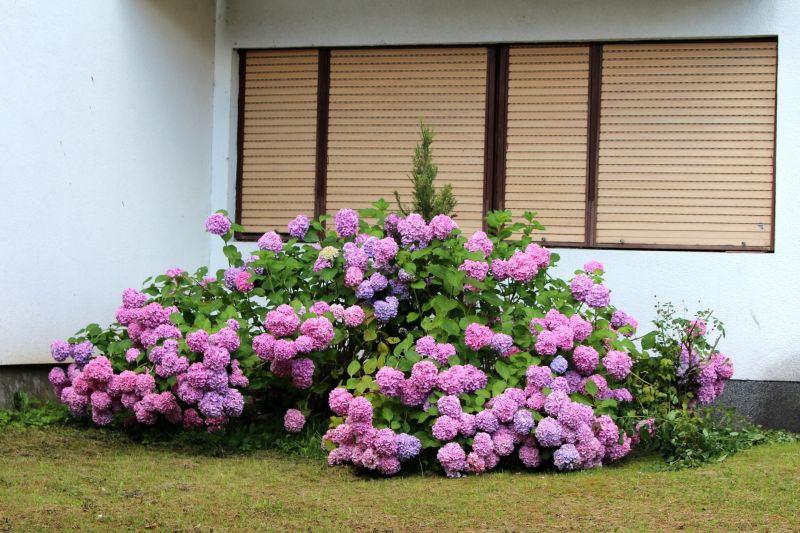
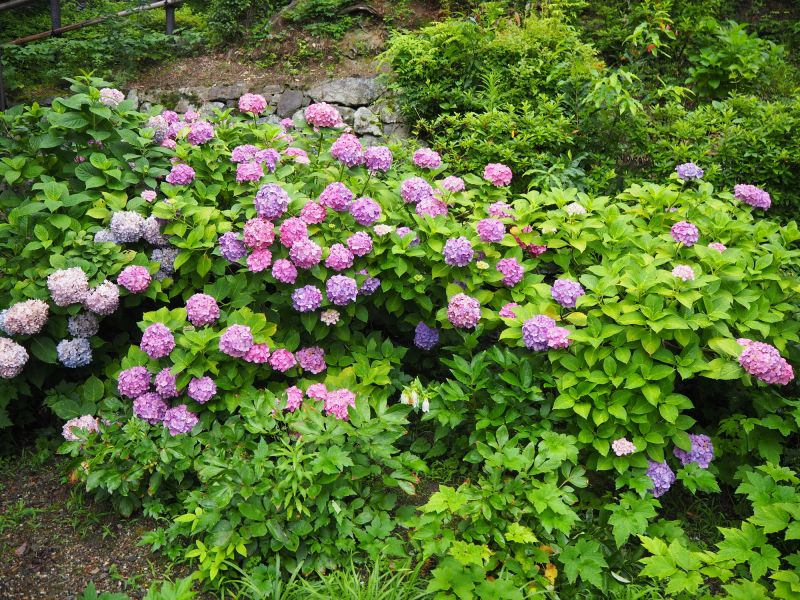
Hydrangea pruning services are often sought by property owners in Milford, CT, who want to maintain the health and appearance of their flowering shrubs. Overgrown or neglected hydrangeas can become unruly, leading to reduced blooms and a less tidy landscape. Local professionals can help shape and trim these plants to promote better growth, improve their aesthetic appeal, and prevent potential damage caused by overgrowth or dead branches.
Additionally, property owners may look for hydrangea pruning to prepare their gardens for seasonal changes or special occasions. Proper pruning can enhance the size and vibrancy of blooms, making outdoor spaces more inviting and visually appealing. Local service providers can assist with routine maintenance or specific pruning needs, ensuring hydrangeas stay healthy and contribute positively to the overall landscape of Milford homes.
When is the best time to prune hydrangeas? The optimal time for pruning depends on the hydrangea variety, but generally, late winter to early spring is suitable for most types. Consulting local pruning professionals can help determine the ideal timing for specific plants in Milford, CT.
How do I know if my hydrangea needs pruning? Signs include overgrown stems, reduced flowering, or dead/damaged branches. A local service provider can assess your hydrangeas and recommend appropriate pruning practices.
What tools are typically used for hydrangea pruning? Pruning shears, loppers, and saws are commonly used, depending on the size of branches. Professional landscapers can ensure proper tools are used for healthy growth.
Can pruning help improve the flowering of my hydrangeas? Yes, proper pruning can promote better flowering by removing old or damaged growth and encouraging new blooms. Contact local pros for tailored advice.
Is it necessary to prune hydrangeas every year? Regular pruning is recommended for maintaining plant health and flowering, though the frequency may vary by hydrangea type. A local expert can provide guidance suited to your landscape.
Hydrangea Pruning Techniques - Local pros can advise on proper pruning methods to promote healthy growth and vibrant blooms.
Timing for Hydrangea Pruning - Experts recommend the best times of year to prune hydrangeas for optimal flowering and plant health.
Hydrangea Maintenance Plans - Regular pruning services can help maintain the shape and size of hydrangeas, ensuring they remain attractive year-round.
Customized Hydrangea Care - Service providers offer tailored pruning solutions to suit different hydrangea varieties and landscape needs.
Considering Hydrangea Pruning for a property in Milford, CT? The sections above highlight common project types, practical options, and details that often shape the scope of work.
When you are ready, use the quote form to share a few details about your project. Local pros can review the basics and respond with options that match what you have in mind.